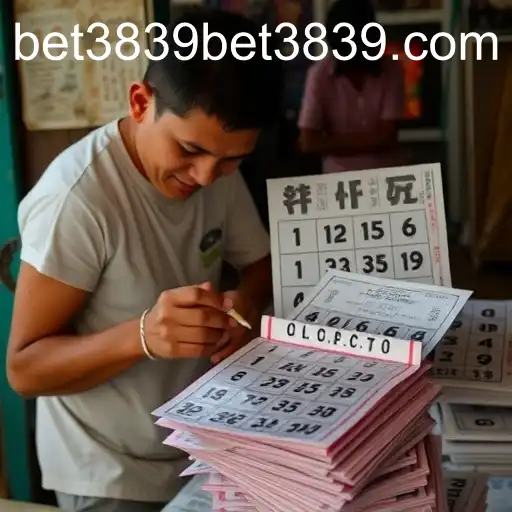
Understanding Jueteng: A Closer Look at an Unlawful Lottery
The Origins of Jueteng in the Philippines
Jueteng, an illicit numbers game akin to a local lottery, has long been a divisive part of the Philippine cultural tapestry. Originating during the Spanish occupation, its name derives from two Hokkien words: "hue", meaning flower, and "teng", referring to a bed. Its historical roots are intertwined with a complex socio-political landscape that continues to evolve, shaping the way this game is perceived and engaged with today.
How Jueteng Operates: Mechanics and Gameplay
The basic mechanics of Jueteng involve selecting a combination of two digits, typically chosen from numbers 1 through 37. These numbers are drawn daily by a kubrador, the colloquial term for bet collectors. Their role involves going door-to-door, gathering bets from the local residents, and subsequently relaying the outcomes to participants. Although illegal, Jueteng remains enticing, with relatively high betting odds offering the possibility of significant winnings. These odds make it a favored option for those seeking a quick financial gain without the more formalized restrictions associated with legal gambling avenues.
Socio-Economic Impact: A Double-Edged Sword
The socio-economic implications of Jueteng are widely acknowledged and debated within various levels of Philippine society. In some respects, Jueteng is viewed as a substantial economic stimulus for impoverished communities, providing a supplementary source of income for numerous players and collectors. Conversely, it has also been identified as contributing to familial financial distress, often blamed for exacerbating the poverty cycle by enticing individuals to gamble beyond their means. This dual impact amplifies the complex nature of Jueteng, illustrating both its allure and its potential consequences.
Political Ramifications and Corruption Allegations
The existence of Jueteng is inexorably tied to the political fabric of the Philippines. Numerous political scandals have erupted over the years, accusing government officials of involvement in Jueteng operations, either directly or indirectly benefitting from its proceeds. This association furthers the challenges of eradication, illuminating the pervasive nature of corruption within certain governmental structures. The intertwining of political influence and illicit gambling complicates efforts to enforce existing laws, fostering a landscape rife with skepticism and distrust.
Efforts Toward Legalization: Controversies and Challenges
Amid persistent accusations of corruption and ineffectiveness in combating Jueteng, discussions regarding its legalization have periodically surfaced. Proponents argue that regulation could curb illegal activities, generate government revenue, and provide a framework for fair play. Critics, however, contend that legalization might implicitly legitimize gambling, potentially increasing addiction rates and adverse socio-economic impacts. These opposing viewpoints underscore the complexity inherent in transitioning from clandestine operations to state-regulated enterprises.
Jueteng vs. Legal Betting Platforms: A Contemporary Contrast
In modern times, the proliferation of legal betting platforms like bet3839 PH Login offers an alternative to illicit gambling. These platforms provide a structured and regulated environment for bettors, complete with security measures designed to protect participants from exploitation. Unlike Jueteng, which operates in a legal gray area, platforms such as bet3839 create a legitimate avenue for gambling enthusiasts, equipped with transparency and oversight. This distinction highlights the ongoing battle between tradition and modernization in the Philippine gambling landscape.
Conclusion: The Persistent Allure of Jueteng
While efforts continue to curb the influence of Jueteng, its persistence remains a testament to its deeply ingrained presence in Philippine culture. Jueteng's survival, despite numerous crackdowns and controversies, is indicative of a societal structure that, while contentious, is difficult to dismantle completely. As the country grapples with the challenge of balancing cultural traditions against the need for legal and economic reform, the debate surrounding Jueteng represents a fascinating microcosm of larger issues at play in the Philippines today.